

Imagine this: An employee arrives at work in the morning. They want to store their personal belongings securely, change clothes, and get ready for the day ahead. Where do they do that? In a locker. But lockers are far more than simple storage units. They’re an integral part of workplace equipment, playing a key role in contributing to Security, Functionality and even to Wellbeing that employees can contribute. Studies show that well-organized, secure storage for personal belongings increases employees’ sense of being valued and safe at work. This, in turn, can have a positive impact on morale and productivity. Source: Fraunhofer Institute for Industrial Engineering and Organization IAO
In this comprehensive guide, we take an in-depth look at the world of modern workplace lockers. We explore how Function, Security and Design Working hand in hand to create the optimal solution for your workplace. From a wide range of designs and innovative locking systems to aesthetic considerations, you’ll find everything you need to know here to choose the right lockers for your business.
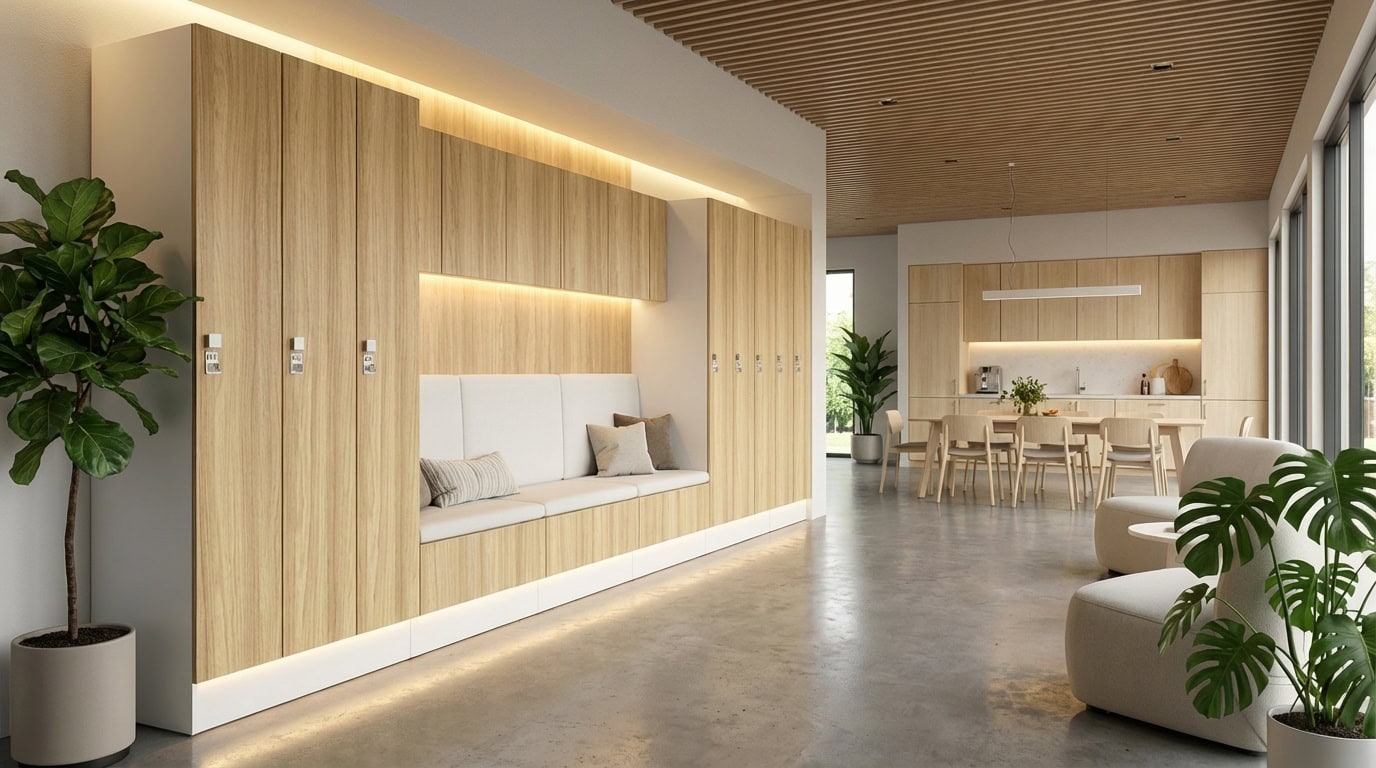
The Evolution of Lockers: From Simple Metal Cabinets to Multifunctional Storage Solutions
The classic metal locker—often finished in grey or blue paint—is a relic of the past. It may still serve its basic purpose of storage, but modern businesses now have very different requirements. The days when employees needed nothing more than a simple coat hook behind a door are over. Today, it’s about more: the secure storage of electronic devices, hygienic conditions, solutions that fit flexible working models, and creating a pleasant work atmosphere. Expectations of the workplace have risen—and that’s reflected in the evolution of lockers, too.
The core functions of modern lockers
Before we dive into the details, it’s important to understand the core functions a modern locker needs to perform:
- Secure storage: This is the primary function. Personal belongings, workwear, valuables, and sometimes even sensitive work materials must be protected against theft and unauthorized access.
- Order and clarity: Well-structured Lockers help employees, find their things quickly and keep their workspace tidy. This helps improve efficiency.
- Hygiene: Especially in industries with strict hygiene requirements, lockers are needed that are easy to clean and offer good ventilation to prevent unpleasant odors.
- Comfort and Ergonomics: The design should make it easier to use. This can be achieved through practical compartment layouts, integrated seating options, or easy-to-operate locking systems.
- Flexibility: In an era of desk sharing and flexible working hours, lockers often need to be adaptable—whether assigned to individuals or shared among users.
Safety First: Innovative Locking Systems and Material Selection
The security of employees’ personal belongings is of utmost importance. A break-in at a locker can lead not only to material loss, but also undermine workforce trust and satisfaction. Modern lockers offer a wide range of solutions to address this:
1. Mechanical locking systems: classic solutions, reimagined
Although there are now many electronic alternatives, mechanical locking systems are still popular and often a cost-effective solution. These include:
- Cylinder Locks: By default, each locker comes with two keys. They’re easy to use and require minimal maintenance. For higher security requirements, versions with more sophisticated locking mechanisms are also available.
- Padlocks: Enable flexible use, as employees can attach their own padlock. This is particularly convenient when lockers are used by multiple people at different times (e.g. in shift operations). In this case, it is essential that the user chooses a robust padlock.
- Turnbuckles for padlocks: A variation of the standard locker, fitted with a cam lock designed to secure a padlock. This is a common and practical solution for flexible use.
Advantage: Low purchase costs, easy to use, no power supply required.
Disadvantage: Keys can be lost or copied. If a key is lost, the lock often has to be replaced—bringing additional cost and effort.
2. Electronic Locking Systems: The Future of Locker Security
Electronic locking systems offer the highest level of security, flexibility, and convenience. They are ideal for businesses looking for centralized management and control.
- Combination padlocks: Similar to hotel safes, employees can choose and change their own combination. These are often battery-powered and easy to use. Some models feature an automatic reset that releases the combination after a set period of time.
- Transponder Lock Systems (RFID/NFC): These systems use chips integrated into cards, key fobs, or wristbands. The lockers are opened simply by holding the transponder up to them. This offers a high level of security, as the chips are difficult to copy. Access permissions can also be managed centrally. A lost transponder can be deactivated easily, without the need to replace the lock.
- Biometric Locks: The most advanced solution, where access is granted via fingerprint or other biometric identifiers. This offers the highest level of security, as biometric data is unique. However, implementation can be more complex and costly.
Benefits of electronic systems: High security, easy management of access permissions, no risk of lost keys, often with logging functions (who opened which locker and when).
Disadvantages: Higher upfront costs, may require a power supply or battery replacement, and involves more complex installation and maintenance.
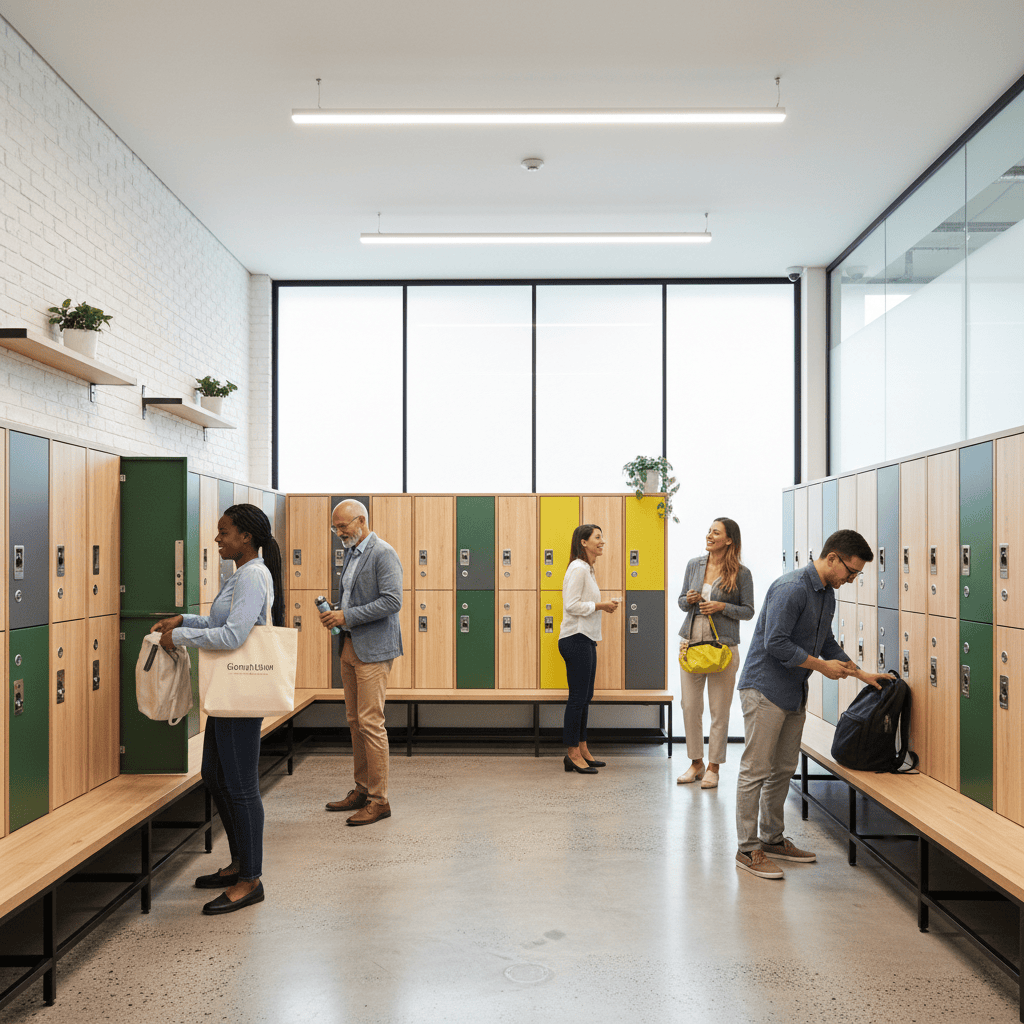
Material Selection: Robustness and Durability
Choosing the right material is crucial for the lockers’ durability and functionality. The most common materials are:
- Steel: Extremely robust, durable, and fire-resistant. Steel lockers are ideal for demanding environments such as workshops., warehouses, or production halls. They are often powder-coated to prevent corrosion and achieve an attractive finish.
- Wood/Wood-based materials: Offer a warmer, more aesthetically pleasing look that fits well in office environments or design-focused locker rooms. HPL (high-pressure laminate) or melamine resin coatings make the surfaces more resistant to scratches and moisture.
- Plastic: A lightweight, corrosion-resistant, and often cost-effective option—especially well suited to humid environments such as swimming pools or gyms. Modern plastics are often highly durable and easy to maintain.
When selecting a material, you should consider the specific requirements of your operation: How heavy is the wear and tear? Are there any special hygiene or fire-safety regulations? How important is the look and feel?
Functionality in Detail: What Really Makes a Locker Practical?
Beyond the basic functions, there are numerous details that can significantly impact the practical usability of lockers. A well-designed locker system makes employees’ day-to-day work much easier.
Interior Design: More Than Just a Subject
The interior fittings can vary widely and should be tailored to users’ needs:
- Clothes rail and hooks: Standard for storing clothing.
- Drawers: Ideal for smaller personal items such as wallets, mobile phones, or tools.
- Subjects: Different heights and depths for different items.
- Mirror: A small mirror on the inside of the door can be very practical.
- Ventilation slots: Important for preventing moisture and odours, especially with workwear or sportswear.
- Integrated seating options: Some locker cabinets feature a fold-out or built-in bench, making it easier to change.
- Power connections/USB ports: In an increasingly digital world, it’s often desirable to be able to charge mobile phones or other devices in a locker. This requires special models with integrated power outlets.
Size and dimensions: The right fit for every need
Lockers come in a wide range of sizes and configurations. It’s important to choose the right size for the items that need to be stored. Do employees need room for work boots, a full gear bag, or specialized equipment? Standard dimensions can often be customized. Choosing the right number of compartments per locker (e.g., single-, double-, or multi-tier) also affects the space required and how efficiently the room is used.
Specialized Lockers: For Specific Requirements
In addition to standard lockers, there are also specialised solutions for specific industries or requirements:
- Hygiene lockers: Often made from stainless steel or antibacterial materials, easy to clean, and designed for optimal ventilation. Ideal for the food industry or healthcare.
- Safe deposit boxes: Smaller, highly secure lockers designed for storing particularly valuable items, often equipped with electronic locks.
- Shoe Lockers: Specifically designed for storing work shoes, often featuring ventilation systems.
- Lockers with bench seating: Combine storage and seating in a single piece of furniture—space-saving and practical.
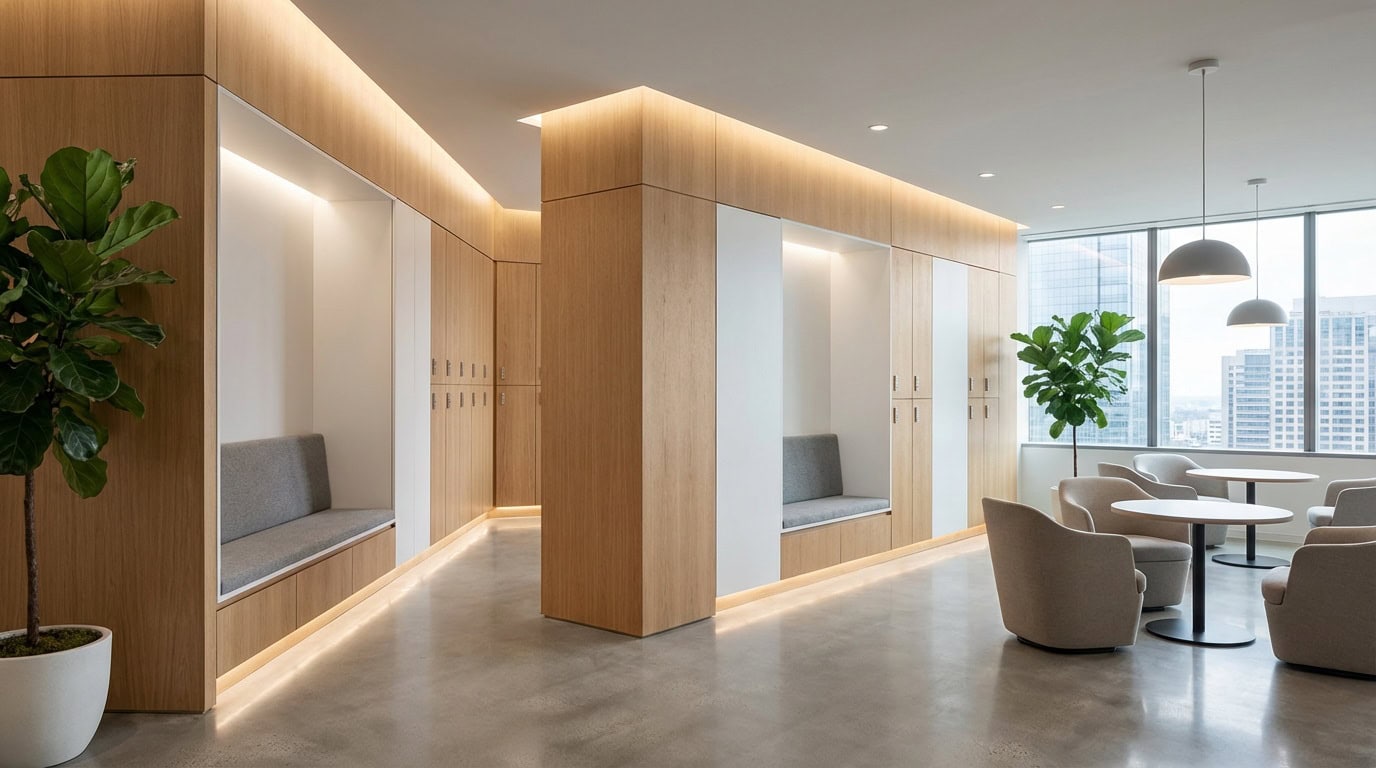
Design and Aesthetics: More Than Just a Functional Piece of Furniture
In modern workplaces, design is playing an increasingly important role. Lockers are no longer merely functional items; they can also help create an attractive, welcoming atmosphere. The interior design of an office or production facility should be reflected in the changing rooms and staff areas as well.
Color Design: Creating Accents or Blending In
The color scheme of lockers can have a significant impact on how a space is perceived. Light shades such as white, gray, or beige make rooms feel larger and more welcoming. Bolder colors can be used strategically as accents to highlight specific areas or reinforce your corporate identity. Lockers with a wood-look finish or in natural tones are especially on trend, creating a warm, inviting atmosphere.
Surfaces and tactile feel: quality you can feel
The surface finish of lockers plays a key role in the overall impression. Powder-coated finishes on steel lockers are not only durable, but also available in a range of textures and sheen levels. With wooden or plastic lockers, the feel and resistance to scratches and fingerprints are what matter most. High-quality finishes convey a sense of quality and long-lasting durability.
Integration into the Room Design: Creating a Cohesive Look
Modern locker systems can often be configured flexibly and seamlessly integrated into existing spatial concepts. Modular designs make it possible to tailor lockers to on-site conditions—whether in long corridors, alcoves, or as room dividers. Choosing consistent designs and colors across all areas creates a cohesive overall look and reinforces brand awareness.
Example: A company with a modern, open-plan office design will likely opt for lockers in the changing rooms that echo this style as well—perhaps with smooth surfaces, understated colors, and integrated lighting elements. Companies like DIVI Kom offer a wide range of tailor-made solutions that perfectly combine functionality, security, and design.
Making the Right Choice: What to Look for When Buying Industrial Barrier Gates
Investing in new lockers is a decision that deserves careful consideration. Here are some key criteria to keep in mind when making your selection:
- Needs assessment: What types of items need to be stored? How many employees will be using the lockers? Are there any specific requirements (hygiene, security, fire safety)?
- Safety requirements: What type of locking system is required? Do access permissions need to be managed centrally?
- Material and Durability: Which material best suits the environment and usage requirements? How important is durability?
- Functionality and interior features: Does the interior fit employees’ needs? Is there enough space?
- Design and aesthetics: Does the design suit your business and your premises?
- Budget: What costs are manageable? Consider not only the purchase price, but also potential maintenance and operating costs.
- Manufacturer and Service: Choose an experienced manufacturer that offers high-quality products and provides reliable customer service and spare parts. DIVI Kom is, for example, an established provider specializing in customized solutions.
- Standards and regulations: Find out about the relevant standards and regulations, particularly regarding fire safety and occupational health and safety.
Conclusion: Lockers as a key element of modern workplace design
Modern lockers are far more than just simple storage cabinets. They are an essential element of well-designed workplace planning, which Function, Security and Design into harmony. Carefully selecting and investing in high-quality locker systems pays off in the long run: it increases employee safety and satisfaction, optimizes the use of space, and contributes to a positive company culture. By taking into account your employees’ needs and your operation’s specific requirements, you can find lockers that are not only practical and secure, but also enhance your company’s overall image.
Investing in modern lockers is therefore an investment in your most valuable asset: your employees. It signals appreciation and helps create a professional, welcoming working environment. When planning and equipping your business, it’s worth not underestimating this aspect.
Frequently asked questions (FAQ)
1. What advantages do modern electronic locking systems offer over mechanical locks?
Electronic locking systems provide greater security through individual codes or transponders, centralized management of access rights, easy deactivation of lost transponders (no need to replace the lock), and often include logging features. Mechanical systems are cheaper, but more vulnerable to lost keys and unauthorized copying.
2. How important is ventilation in lockers?
Good ventilation is essential to prevent moisture buildup and unwanted odors. This is especially true for changing rooms where workwear or sportswear is stored. Sufficient ventilation slots—or even active ventilation systems—can improve hygiene and extend the lifespan of the clothing.
3. Can lockers also be used in humid environments?
Yes, there are special lockers made from materials such as plastic or stainless steel that are suitable for humid environments like swimming pools, saunas, or wet rooms. They are corrosion-resistant and easy to clean.
4. How do I determine the right size for my lockers?
The right size depends on what needs to be stored. Consider typical workwear, personal items such as bags or backpacks, and any tools or equipment you may need. It’s advisable to measure the largest items you usually store and choose a locker size based on those dimensions. Manufacturers often also offer guidance to help you select the optimal size.
5. Are lockers with bench seating a good option?
Lockers with integrated or fold-down bench seating are a highly practical solution, especially in areas where changing clothes needs to be quick and convenient. They save space by eliminating the need for additional seating and improve comfort for employees.
6. How does locker design affect the workplace atmosphere?
Design can significantly influence the working atmosphere. Bright, welcoming colors and high-quality materials can make a space feel more inviting and professional. A consistent design aligned with your corporate identity strengthens brand awareness and fosters a sense of belonging. Lockers, therefore, are not only functional but also part of the overall impression a company leaves behind.
 Deutsch (Sie)
  English (UK)
  Dansk
Dansk